

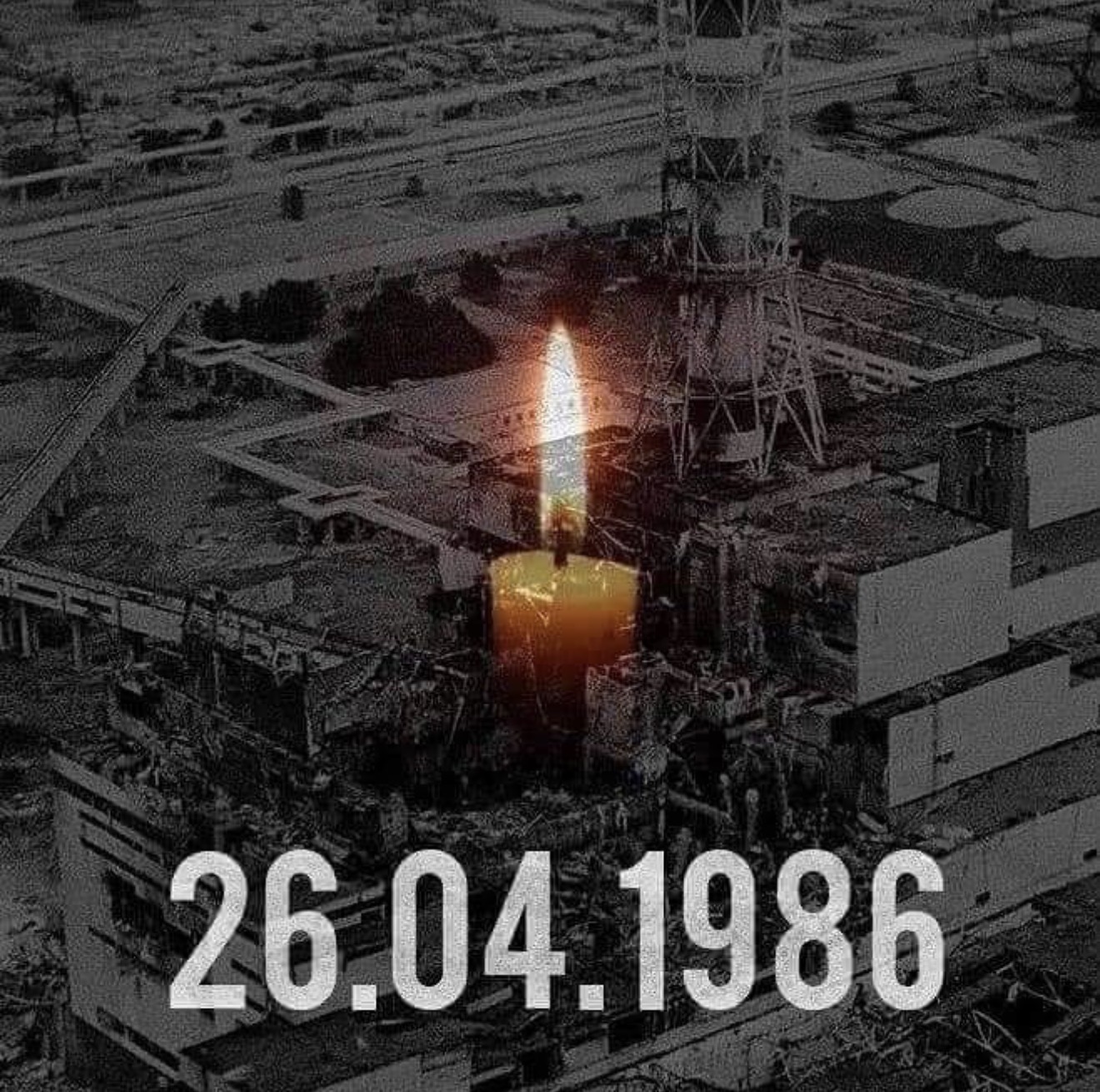
On Sunday, April 26, 2026, the world marked 40 years since the Chernobyl disaster,at 1:23 a.m. local time (UTC+3), a powerful explosion tore through Reactor No. 4 of the Chernobyl Nuclear Power Plant, forever changing the course of history.
The Night That Changed Everything
A routine safety test turned into one of the most significant nuclear disasters in history.
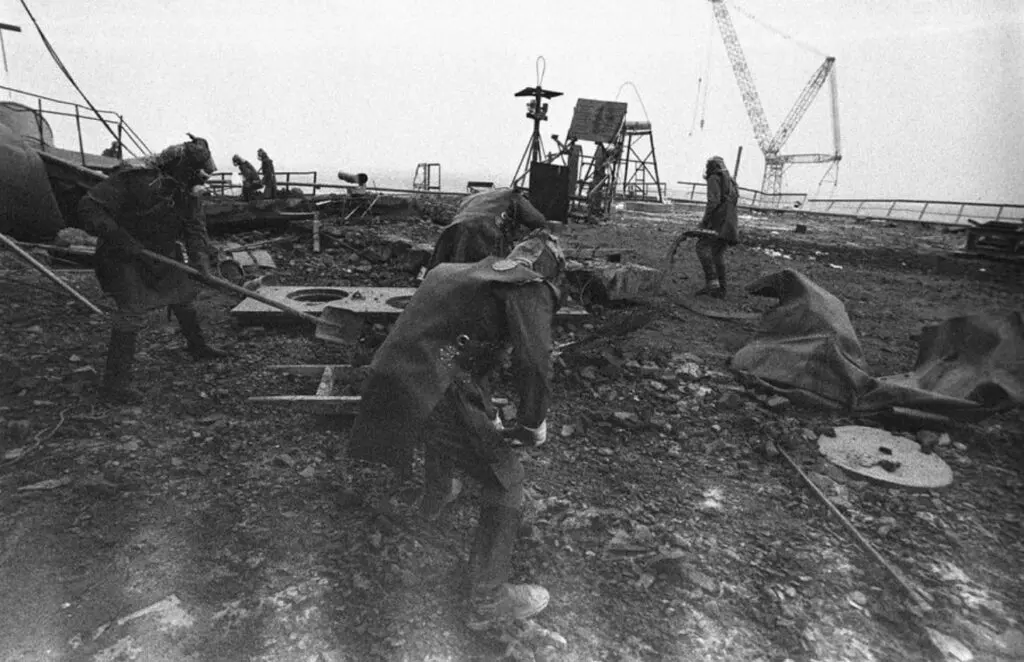
In the first moments after the explosion, there was no clear understanding of what had happened. Workers and emergency responders were sent in without knowing the scale of the danger. The priority was simple: put out the fire.Firefighters arrived within minutes, climbing onto the roof and handling radioactive debris without protection.
Inside the control room, confusion continued. Instruments showed conflicting readings, and many struggled to accept that the reactor itself had been destroyed.For those who saw it, the reality became clear only when they looked directly at it.
“When we drove past the destroyed reactor, the sight was simply terrifying. It was like seeing the reactor torn open, exposing structures usually visible only during construction. It was clear that the reactor was releasing a massive amount of radiation into the atmosphere” (BBC News Ukraine, 2012).
In nearby Pripyat, life continued almost normally. People watched the fire from a distance. Children played outside. No one had been warned.
In the first days, Soviet authorities concealed the scale of the disaster, delaying public awareness and increasing exposure.
How the Disaster Spread Across Europe
Within days, radioactive clouds spread across Europe, far beyond the site of the explosion.
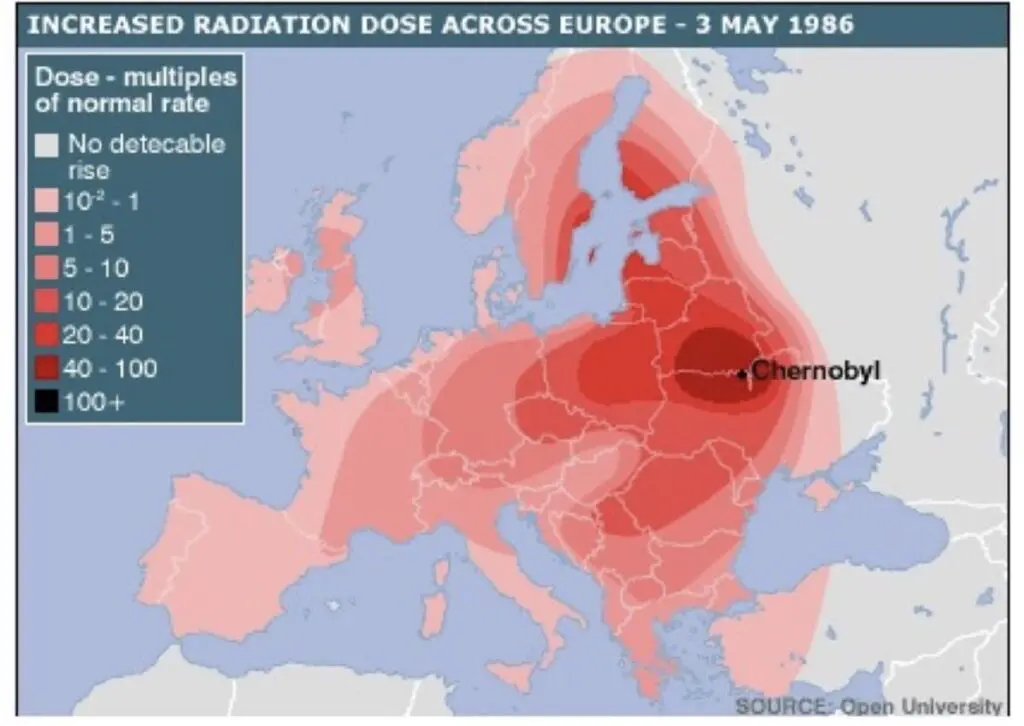
The impact of Chernobyl did not remain within the Soviet Union. As radioactive clouds moved across Europe, countries such as Sweden, Finland, Germany, Poland, Austria, and even the United Kingdom began to detect rising radiation levels. In Sweden, unusual readings were recorded before any official statement was made, forcing the world to take notice.
Across the continent, governments introduced emergency measures. Radiation levels were closely monitored, while uncertainty and concern spread alongside the invisible threat.
Greece was also affected. In northern Greece, including Thessaloniki, elevated radiation levels were detected, prompting controls on food products, particularly milk. Even far from Chernobyl, the effects were strong enough to cause widespread concern.
Health Impact
The consequences were not only immediate, but long-lasting
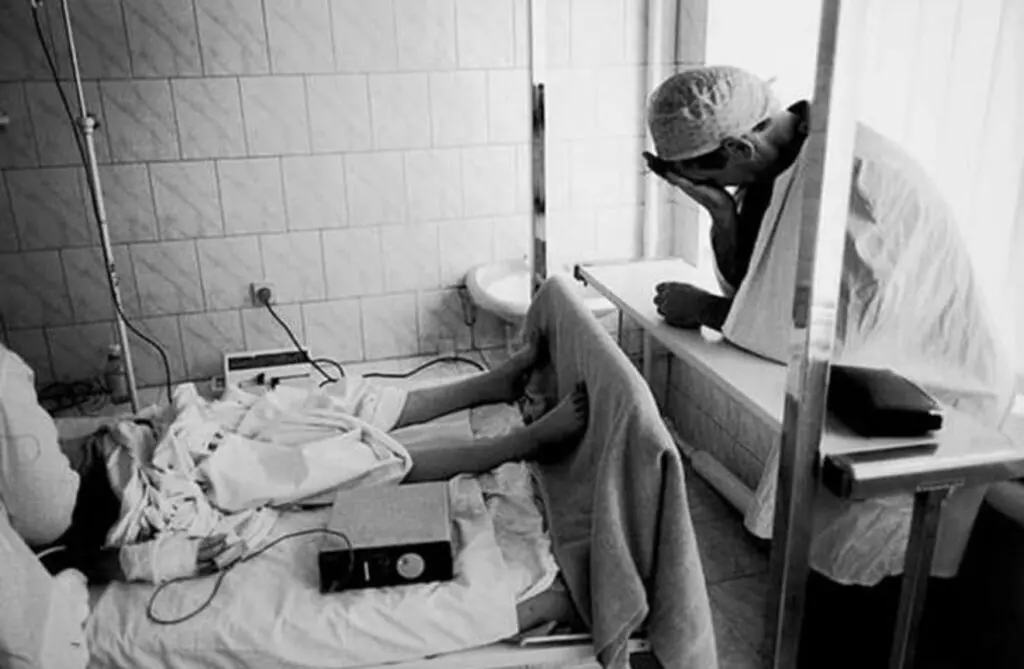
In the years after the disaster, one of the most significant long-term effects was an increase in thyroid cancer, particularly among children. This was largely linked to radioactive iodine, which entered the body through contaminated milk. Children were especially vulnerable, as their bodies absorbed radiation more quickly.
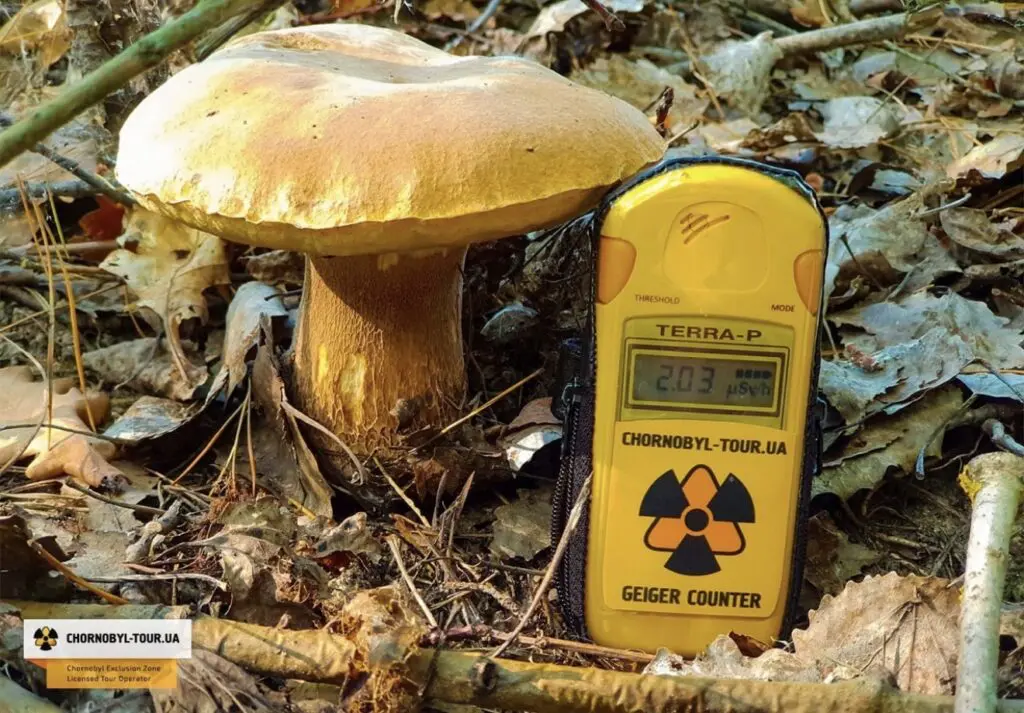
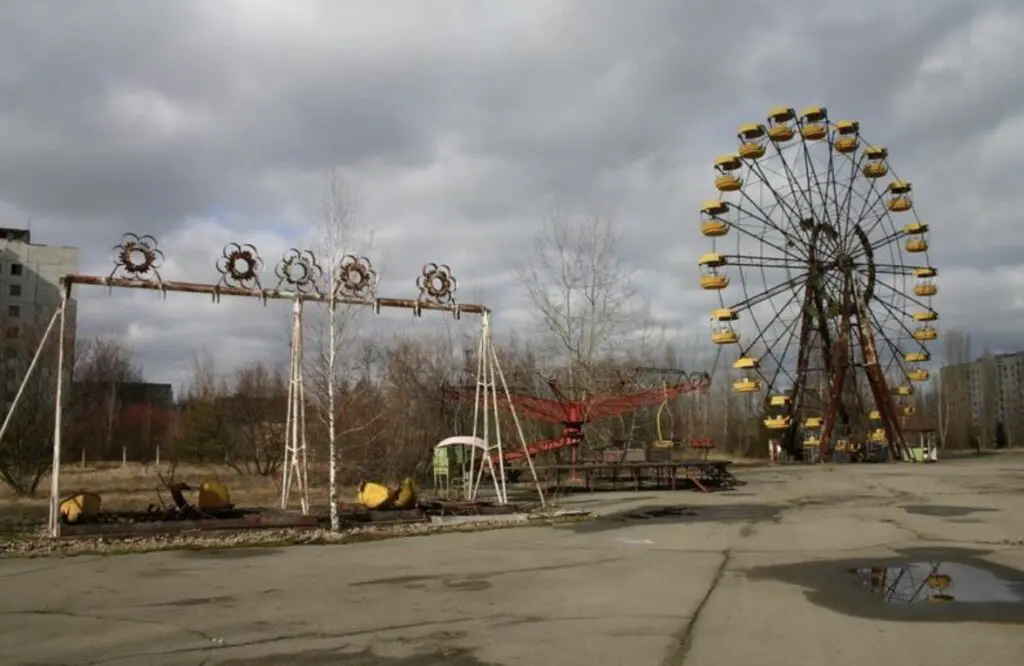
Over time, the Chernobyl site has undergone multiple decontamination efforts, which helped reduce radiation levels in certain areas. However, contamination remains uneven, and some locations are still considered dangerous for long-term exposure.Short visits to the exclusion zone are generally considered safe under controlled conditions. However, prolonged exposure or permanent settlement can pose serious health risks.Radiation levels can vary significantly, and even touching certain objects may increase exposure. For this reason, access to the area is strictly controlled and monitored using devices such as Geiger counters.
Chernobyl remains a site where the effects of radiation are still present, reminding us that its impact has not fully disappeared.
Unexpected Details
•One of the most dangerous objects at the site became known as the “Elephant’s Foot” — a mass of melted nuclear fuel and concrete. In the years following the disaster, just minutes of exposure near it could be fatal.
•Despite the radiation, wildlife not only returned to the exclusion zone, but in many cases increased. Populations of wolves,borses, deer, and other species have grown, suggesting that the absence of human activity has had a significant impact.
•Some residents chose to return to their homes, despite the risks. Even today, a small number of people continue to live within the exclusion zone.
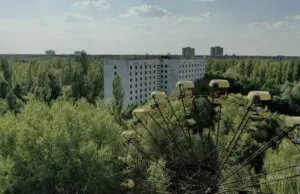
Some moments do not end when they happen. They continue, long after, in ways we still try to understand.
Diiana Domashovets

ΑΚΟΛΟΥΘΕΙΣΤΕ ΜΑΣ