

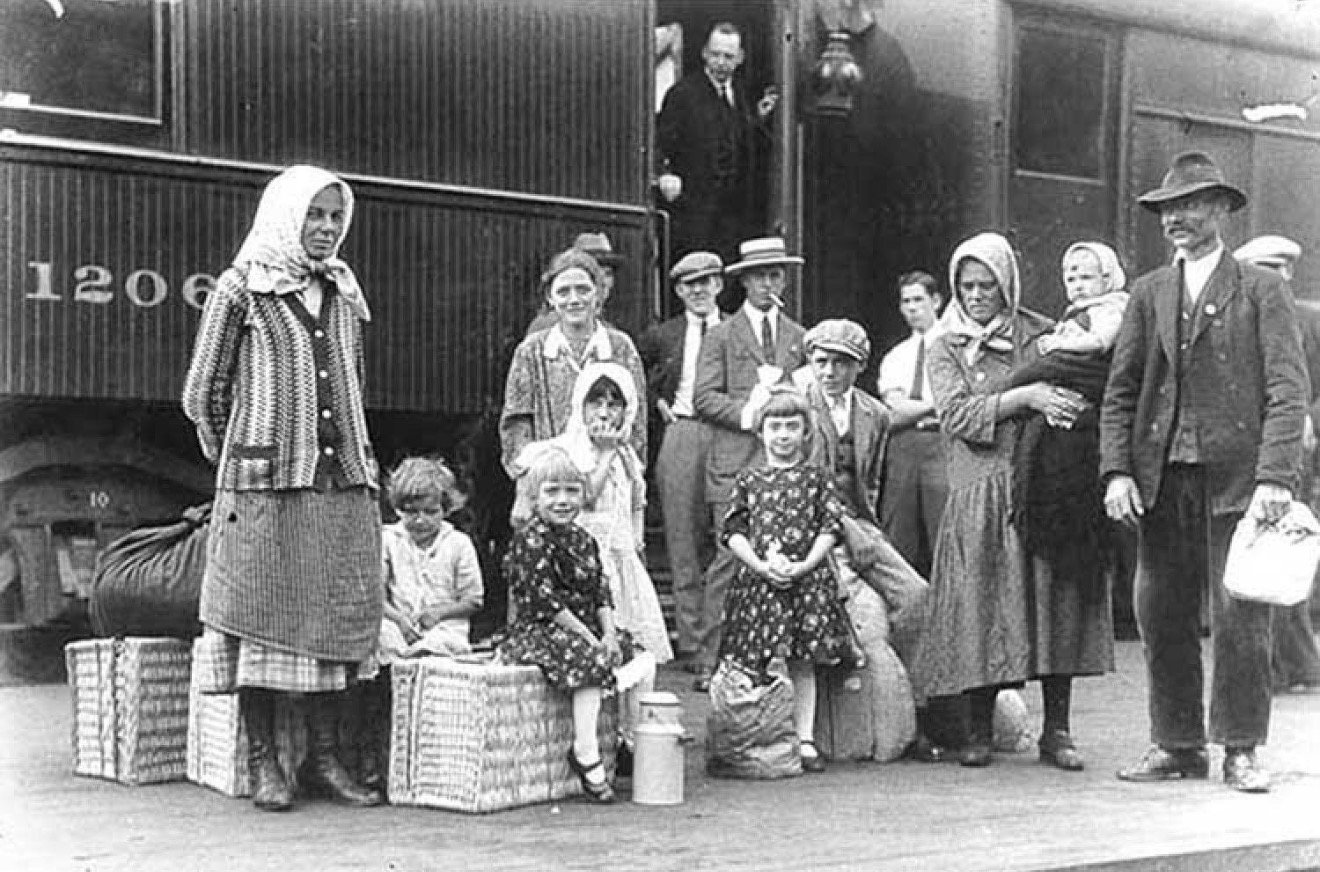
Before North America became a region of global cities and economic power, it was shaped by those who worked its land.
Ukrainians were among the early immigrants who helped shape North America’s land long before it became a region of global cities and economic power.
At the turn of the 20th century, both Canada and the United States opened vast territories for settlement. The promise was land. The reality was more exacting. These regions were undeveloped, infrastructure was limited, and success depended less on capital than on physical endurance.
Many immigrants arrived. Not all stayed.
What They Carried With Them
Their arrival followed necessity, not chance.
Most came from rural regions of Eastern Europe, where life was already defined by the land, by seasons, by labor, and by limits. Land was scarce, opportunities were limited, and survival depended on sustained physical work long before migration was even considered.
In 1891, Ivan Pylypiw and Vasyl Eleniak left for Canada to see for themselves what lay beyond the promise, arriving not with certainty but with questions about the land, the conditions, and whether a future could realistically be built there.
What they encountered was distance, uncertainty, and demanding terrain. what they sent back, was not speculation but experience. It was enough to persuade others and to set in motion a movement that would soon extend far beyond a single journey.
North America’s offer was not abstract.
In Canada, policies introduced under John A. Macdonald had already opened the West to settlement through land grants, formalized in the Dominion Lands Act. By the time Ukrainian immigrants began to arrive in the 1890s, this framework was firmly in place, offering 160 acres of land to those willing to meet the conditions – an exchange not of privilege, but of labor, time, and endurance.
North America offered something rare: not ease, but ownership – land that could be claimed through work and, for many, the first real opportunity to build something that would last.
For many, it was not only a chance to claim land, but to build a life that could outlast them.
The Work That Changed the Land
Across the prairies, Ukrainian settlers turned difficult terrain into productive farmland.
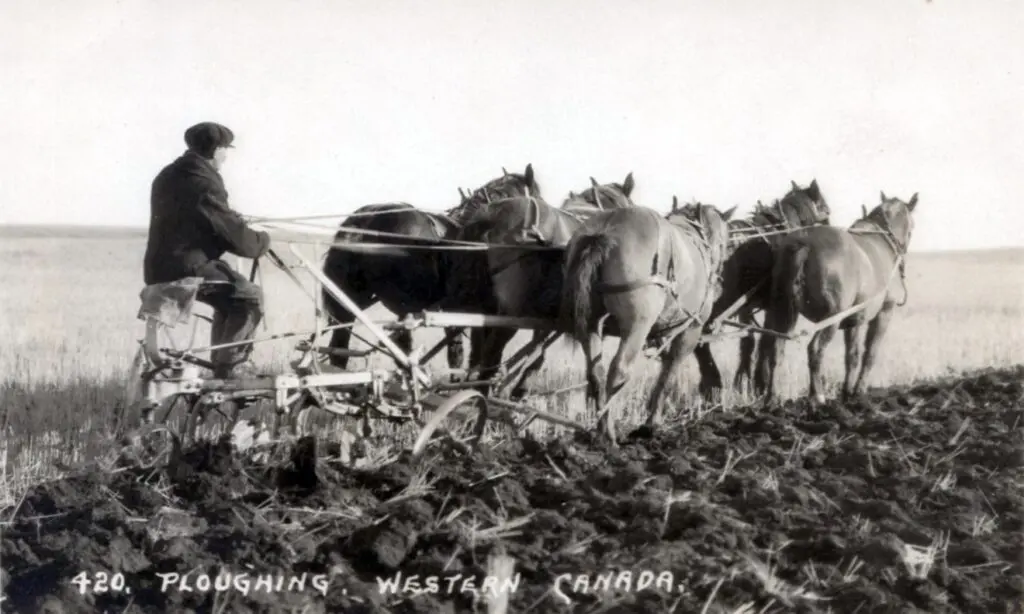
Ukrainian settlers arrived on land that was difficult to cultivate, where prairie soil, bound by deep-rooted grasses, required sustained labor to break.
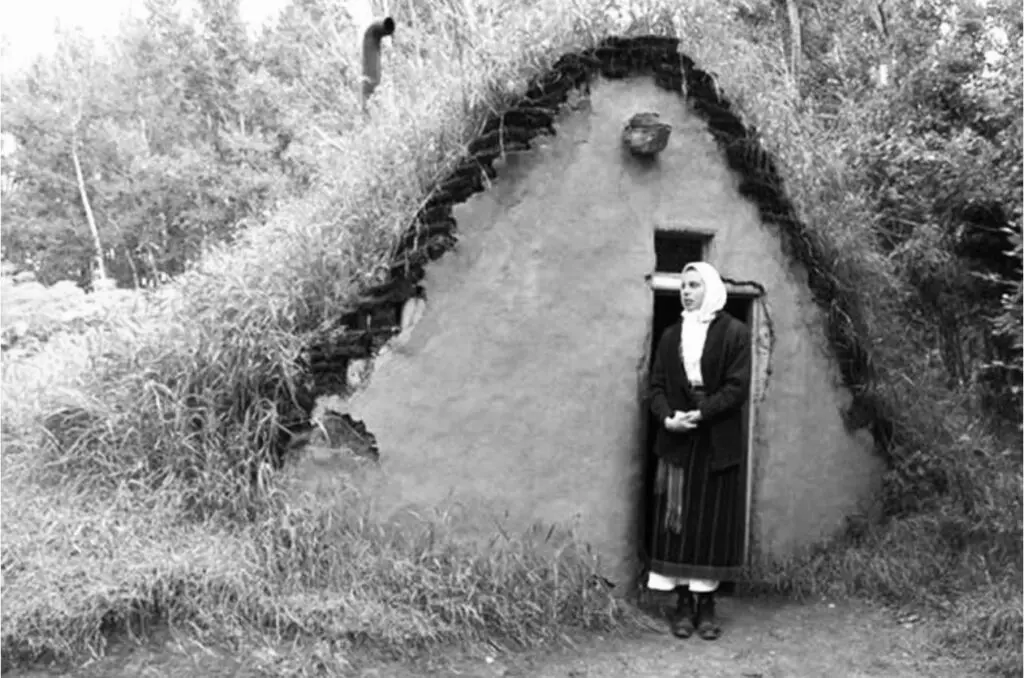
Early housing followed the same logic. With little timber available, many built sod houses – functional structures shaped directly from the land.
Agriculture took shape gradually. Harvests were inconsistent, conditions unpredictable, and winters long. What sustained progress was not immediate success, but persistence across seasons.
Over time, the land began to produce. Wheat became central, supported by experience and adaptation to local conditions. Ukrainian settlers were among those who expanded grain farming across the prairies and helped establish cultivation suited to the environment.
Land once considered marginal became productive at scale.
A Defining Contribution
Its impact extended far beyond the land itself.
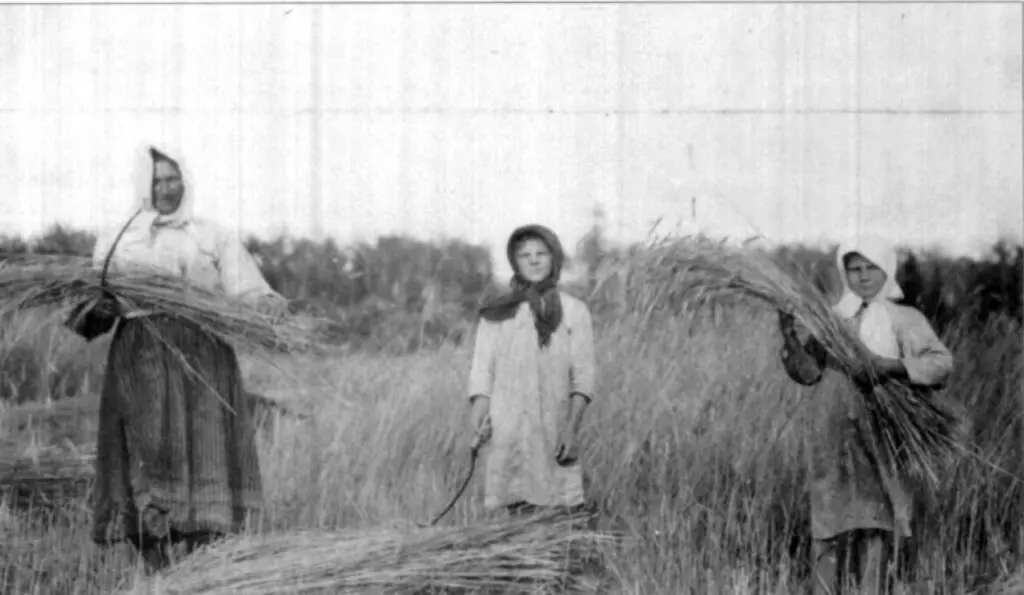
Land once considered marginal became productive at scale. By the early 20th century, the Canadian prairies were emerging as a major wheat-producing region, with millions of acres under cultivation and grain exports becoming central to the national economy. Wheat was not simply a crop, but a system. Its success depended on consistent labor, seasonal adaptation, and the ability to work large areas of land under variable conditions.
Ukrainian settlers were among those who contributed to expanding grain farming and establishing practices suited to the prairie environment.
By the 1910s and 1920s, grain production across provinces such as Alberta, Saskatchewan, and Manitoba had become a defining feature of the region. Infrastructure followed production: railways, grain elevators, and export routes developed to support the movement of wheat to global markets.
Canada’s position as one of the world’s leading wheat exporters was not immediate; it was built over time through the cumulative effect of small-scale farming carried out across vast areas.
A Lasting Legacy
What was built on the land extended far beyond it.
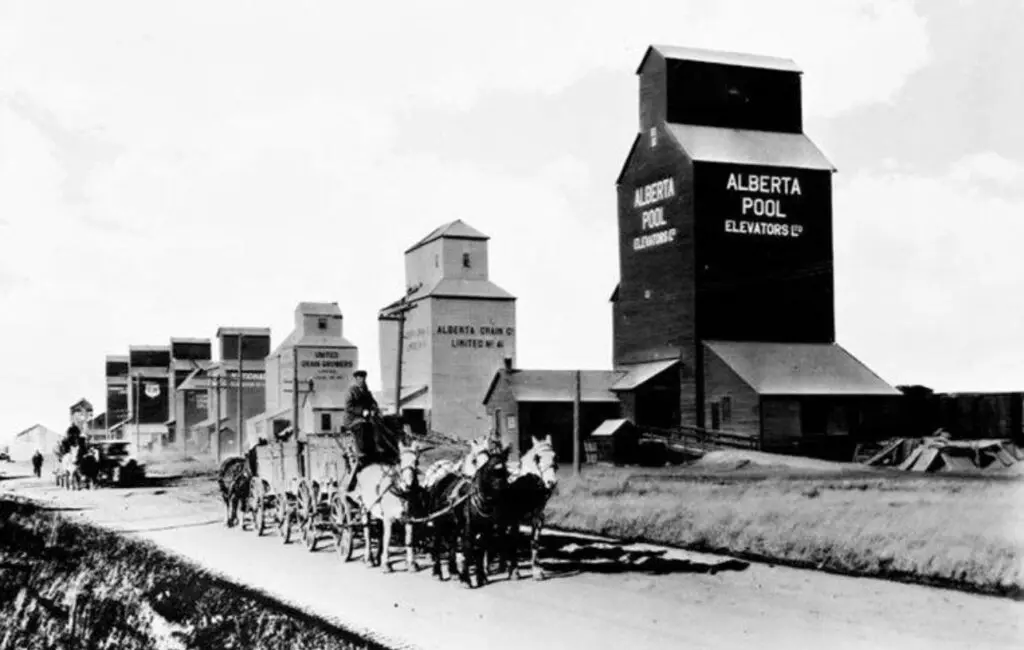
What began on the land did not remain there.
It shaped how communities formed – structured around work, continuity, and adaptation to place. Across regions such as Alberta, Saskatchewan, and Manitoba, that structure remains visible in the landscape, in settlement patterns, and in the rhythms of rural life.
The impact was not only agricultural. It established a way of building -gradual, sustained, and tied directly to the land. What was created was not temporary; it was intended to endure.
Over time, this became part of something larger – not only production, but continuity: a presence that extended beyond the first generation and became embedded in the country’s development.
They changed the land – and, in doing so, changed what it could become
#Moments
Diiana Domashovets



ΑΚΟΛΟΥΘΕΙΣΤΕ ΜΑΣ